All Categories
Featured

Making Decisions With Washington DC Solar Panel Installation Companies
Table of Contents
- – Evaluating Your Choices Among Washington DC Sol...
- – Offsetting Solar Panel Installation Costs: The...
- – How Do You Conduct A Comprehensive Comparison ...
- – Optimizing Your Solar Panel Installation Durin...
- – Why 3 Quotes Form The Basis Of A Successful Wa...
- – Assessing Service Capacity For Successful Wash...
Evaluating Your Choices Among Washington DC Solar Panel Installation Companies
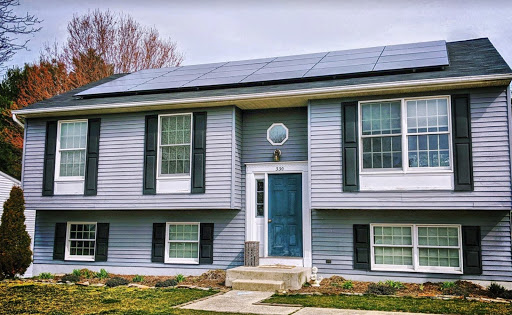
Exploring the options among Washington DC Solar Panel Installation Companies requires a careful balance between upfront investment and the lasting financial benefits of clean energy production. With a typical 9.63 kW system usually costing between $24,828 and $33,590 before incentives, you must evaluate the professional reputation of your chosen contractor against the particular performance guarantees they offer. Finding a reliable solar panel installation company in Washington DC is crucial, as the quality of your utility connection and the precision of your system sizing directly influence your eventual cost recovery period. When you evaluate Washington DC companies specializing in solar panel installation, you should contemplate whether their estimate includes support for Solar Renewable Energy Credit registration and long-term maintenance. Who are the top solar panel installation companies in Washington DC? By evaluating Washington DC solar panel installation companies reviewed and compared against your unique roof readiness and energy goals, you will obtain the clarity needed to make a certain, economically sound decision for your home.
“Energy storage options: Consider investing in a battery storage system to store excess energy generated by your solar panels.” — Lumina Solar
Offsetting Solar Panel Installation Costs: The $330–$360 Per MWh SREC Price Explained For You
Offsetting the expense of your photovoltaic installation is possible through a $330–$360 per megawatt-hour SREC price, which functions as a primary financial incentive for system owners. While the federal residential solar tax credit no longer applies to systems installed after December 31, 2025, you can still significantly lower your total investment by leveraging local market mechanisms and utility programs. When you assess who are the top solar system installation companies in Washington DC, you should favor those that provide comprehensive support for registering your system to earn these credits.
“Solar for All aims to bring the benefits of solar energy to 100,000 low to moderate income families in the District.” — doee.dc.gov
Beyond market-based credits, your financial return is shaped by how you interact with the local utility grid and your specific household eligibility. The subsequent table outlines the main incentives available to help you handle the upfront cost of your system:
| Incentive Type | Financial Impact |
|---|---|
| Solar Renewable Energy Credit | Yields income for every megawatt-hour of electricity produced. |
| Net metering | Provides complete retail-rate reimbursements for surplus power sent to the grid. |
| Solar for All program | Provides targeted assistance for qualifying income-eligible inhabitants. |
Because these programs differ in their registration requirements and eligibility thresholds, you must ensure your chosen vendor has the technical expertise to navigate the administrative paperwork involved. Relying on an contractor that handles the grid connection and credit registration process ensures you do not leave potential income on the table.
Verify if your projected annual energy production qualifies for specific bracket-based income programs before finalizing your contract with an provider.
When reviewing Washington DC Solar Panel Installation Companies, you must consider the standard solar panel installation cost of $24,828 to $33,590 against the lasting benefits of NEM and the lucrative Renewable Energy Certificate market. You should speak with a Washington DC solar panel company to check local license and review exactly what each quote covers regarding installation warranty, roof assessment, and the potential inclusion of home battery costing $7,000 to $18,000. While a shorter break-even period often benefits high-efficiency systems, you must balance these upfront costs with the 25 to 30 year operational lifespan of your equipment and the specific eligibility requirements of the DC Solar Program. Ultimately, your choice of firm depends on balancing a competitive price per watt—ideally between $3.00 and $3.40—with the reliability of their grid connection process and the comprehensive nature of their service capacity.
How Do You Conduct A Comprehensive Comparison Of Warranty Choices After Your Solar Panel Installation?
Warranty protection options provided by Washington DC solar panel installation companies reviewed and compared are defined by the distinction between manufacturer equipment protections and the installation warranty covering the physical installation. While equipment performance guarantees typically span 25 years to ensure the panels reach their expected operational lifespan, the installation warranty serves as your primary protection against errors in mounting, wiring, or roof penetrations. Because these agreements differ substantially in duration and scope, you must assess the following components of a standard protection plan:
| Coverage Type | Typical Duration | Primary Focus |
|---|---|---|
| Manufacturer Warranty | 25 Years | Apparatus efficiency and hardware defects |
| Workmanship Warranty | 5 to 25 Years | Setup standard and labor-related problems |
| Price-Match Guarantee | Varies | Competitive alignment on total project proposal |
Some contractors differentiate themselves by providing extended workmanship warranties that match the 25-year manufacturer performance guarantee, while others restrict labor coverage to shorter terms. You should also check whether a potential firm includes a price match guarantee, which enables you to leverage a lower, equivalent written quote from a rival to possibly reduce your total investment. When assessing these offers, examine the fine print regarding service call response times, as a long warranty period provides little advantage if the provider lacks the local capacity to address defects promptly.
Review the exact terms of the contractor warranty in your contract to verify whether it covers the full price of labor and parts for any necessary fix-ups or replacements.
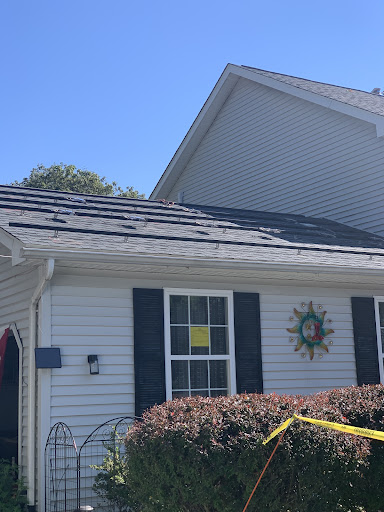
Optimizing Your Solar Panel Installation During A 25–30 Year Panel Lifespan
A 25–30 year panel lifespan is the standard functional duration you can expect when working with Washington DC companies specializing in solar panel installation. This extended period defines the window during which your equipment generates consistent clean electricity, offers a hedge against rising utility costs, and continues to produce Solar Renewable Energy Credits that contribute to your financial return.
“NREL's most recently published data indicates that panels typically experience a median reduction in power output of 0.5% – 0.7% per year with up to a 1% degradation in the first year.” — trilectsolar.co.nz
While the hardware is engineered for long-term longevity, the actual performance over these decades depends on several factors that influence how well the system maintains its efficiency. You should evaluate the following variables when analyzing the long-term viability of your solar install:
- Degradation Rates: Most modern panels forfeit a small percentage of their output capacity annually, usually ranging from 0.3% to 0.5%.
- Environmental Exposure: Local climate conditions, including high wind events or heavy debris accumulation, can affect the structural integrity of mounting hardware over time.
- Inverter Lifecycle: While panels often endure 25 to 30 years, the power inverter—the component that transforms direct current to usable alternating current—frequently needs replacement or servicing at the 10- to 15-year mark.
- Maintenance Requirements: Periodic sanitation and electrical inspections are necessary to ensure the system output remains within expected performance parameters throughout its life.
Review the specific degradation warranty offered by your selected solar company to guarantee it aligns with the projected 30-year performance curve of your equipment.
Why 3 Quotes Form The Basis Of A Successful Washington DC Solar Panel Installation
Getting 3 quotes at least recommended is the best efficient way to ensure you are comparing Washington DC Solar Panel Installation Companies on an equal basis regarding the full project scope. Because a complete project cost often ranges from $24,828 to $33,590, you must confirm that each quote provides a granular breakdown of costs rather than a single lump sum, which can hide thousands of dollars in additional expenses.
“DC Code Section 29-943 limits condo association restrictions on solar installations — associations cannot effectively prohibit solar installations on owner-exclusive areas (rooftops).” — propertyzoned.com
When you assess who are the top solar install companies in Washington DC, you should confirm that their paperwork itemizes the following administrative and logistical needs to avoid unexpected out-of-pocket costs:
- Permitting fees and municipal inspection costs
- Utility utility hookup filing and clerical processing
- Solar Certificate registration support and account management
- Site readiness, including roof constructional reinforcement if required
- After-installation aftercare and system surveillance setup
If an company omits these specific line items from the total price, you may be left responsible for the associated fees during the concluding stages of the project. A comprehensive bid ensures that the $3.00 to $3.40 per-watt average reflects the entirety of the work rather than just the hardware. Always compare these line items side-by-side to ensure one vendor isn't intentionally excluding permitting or registration fees to appear more affordable than their competitors.
Review the fine print of each proposal to confirm that administrative filing fees are included in the final price rather than billed as additional service charges after the contract is signed.
Assessing Service Capacity For Successful Washington DC Solar Panel Installation Projects
Finding a reliable solar panel installation company in Washington DC is often decided by the firm's ability to provide long-term, localized support for the 25 to 30 year operational lifespan of your equipment. A firm that retains a lasting, nearby onsite team is generally better positioned to provide rapid troubleshooting, converter replacements, or installation modifications than an entity that relies on external contractors or distant regional teams.
“DOB is dedicated to completing Solar Plan Reviews within 10 business days.” — dob.dc.gov
When you assess the service capacity of an provider, consider how their operational model impacts your ongoing maintenance needs:
| Service Feature | Local In-House Crews | Outsourced or Remote Labor |
|---|---|---|
| Response Time | Typically 24–48 hours for pressing repairs | Often delayed by transit or shipping logistics |
| Technical Accountability | Direct responsibility for workmanship | Potential gaps in warranty administration |
| Local Knowledge | Profound acquaintance with local construction codes | Inconsistent quality and code compliance |
While an installer using localized, in-house labor might carry a somewhat higher upfront cost, this is often balanced by minimized downtime and faster resolution of performance issues. In contrast, installers that subcontract labor may offer a lower initial quote, but you should weigh this against the potential for prolonged repairs if a system failure occurs years down the line. Confirm whether the service team is directly employed by the contractor to guarantee they remain accountable for the system's performance throughout its entire life.
Ask potential installers to define their specific service radius and provide a written guarantee regarding their maximum response time for emergency system failures.

Table of Contents
- – Evaluating Your Choices Among Washington DC Sol...
- – Offsetting Solar Panel Installation Costs: The...
- – How Do You Conduct A Comprehensive Comparison ...
- – Optimizing Your Solar Panel Installation Durin...
- – Why 3 Quotes Form The Basis Of A Successful Wa...
- – Assessing Service Capacity For Successful Wash...
Latest Posts
Your Handbook To Recognizing Quality Pennsylvania Solar Panel Installation
Engaging Reputable Pennsylvania Solar Panel Installation Companies
When You Investigate Pennsylvania Solar Panel Installation Companies, How Do You Validate Their Warranties?
More
Latest Posts
Your Handbook To Recognizing Quality Pennsylvania Solar Panel Installation
Engaging Reputable Pennsylvania Solar Panel Installation Companies
When You Investigate Pennsylvania Solar Panel Installation Companies, How Do You Validate Their Warranties?